
The Power of Riddles: How Brain Teasers Boost Cognitive Skills
Riddles are more than just a fun way to pass the time; they are powerful tools for mental development. Whether you are a child or an adult, engaging with brain teasers can significantly enhance your cognitive skills and creative thinking processes. In an era of digital distractions, these puzzles offer a refreshing way to sharpen the mind and keep the gears turning.
Thank you for reading this post, don't forget to subscribe!
Enhancing Critical Thinking and Problem-Solving
At their core, riddles are problems that require a unique perspective to solve. They force the brain to move beyond literal interpretations and explore lateral thinking—the ability to solve problems through an indirect approach. This exercise strengthens your logical reasoning, making you better equipped to handle real-world challenges. For a deeper challenge, you can explore our collection of advanced logic riddles to further sharpen your reasoning.
Sparking Creativity and Imagination
Many riddles describe everyday objects in extraordinary ways. By framing a simple item like a mirror or a clock as a mysterious entity with unique traits, riddles stimulate the imagination. This process of abstract visualization encourages the brain to think “outside the box,” a skill that is vital for innovation in both professional and artistic fields.
Boosting Memory and Concentration
One of the key benefits of riddles is their impact on memory. Solving a riddle often requires you to hold multiple pieces of information in your mind at once. You must remember the clues, discard irrelevant information, and combine everything into a single answer. This process acts as a workout for your short-term memory and improves your ability to focus on specific tasks.
Vocabulary and Language Development
Many riddles rely on wordplay and double meanings. For younger learners, this is invaluable for expanding vocabulary and understanding the nuances of language. It encourages readers to pay close attention to context and hidden meanings within sentences. If you’re looking to improve your linguistic abilities, check out our guide on improving language skills with English riddles.
Social Bonding and Communication
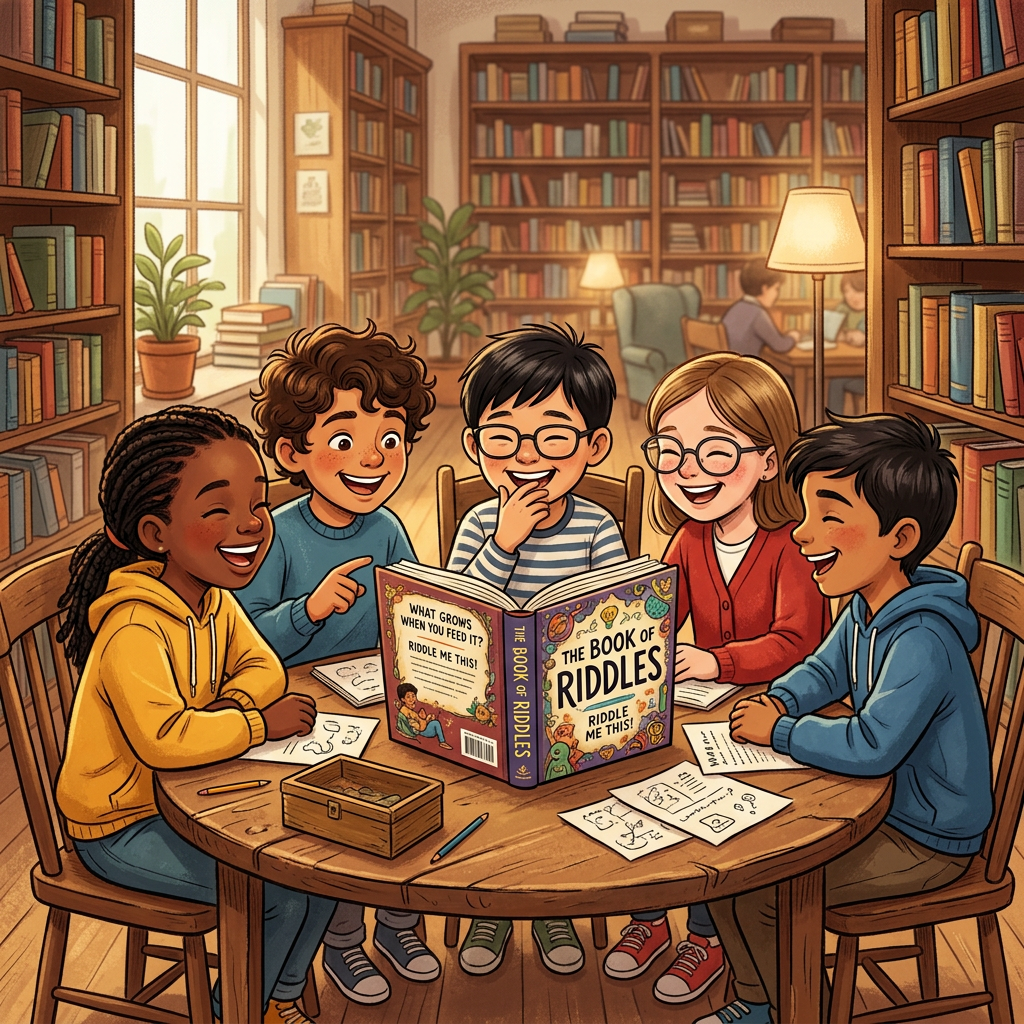
Sharing a riddle is a social activity. It sparks conversation and collaboration. In a classroom or family setting, solving a puzzle together fosters a sense of teamwork. It teaches participants how to listen to others’ ideas and improves overall verbal communication skills. They are even a fantastic icebreaker for events—learn how to use riddles for birthday parties to liven up any celebration.
Brain Health and Cognitive Maintenance
While often associated with children, riddles are equally beneficial for adults and seniors. For older adults, engaging in regular mental exercises like riddles can help maintain cognitive skills and memory. It serves as a “brain gym” that keeps the mind agile, potentially delaying the onset of age-related cognitive decline.
Emotional Intelligence and Resilience
Not every riddle is solved instantly. The persistence required to find the answer builds emotional resilience. When a solution finally clicks, it provides a sense of accomplishment and boosts self-confidence, encouraging a growth mindset toward learning and tackling difficult problems.
Interactive Challenge: Test Your Brain!
Let’s put your skills to the test right now. Can you solve this classic riddle?
“I have keys, but no locks. I have a space, but no room. You can enter, but never leave. What am I?”
(Think about it for a second… the answer is a Keyboard!)
Conclusion
Riddles are far more than simple entertainment; they are a comprehensive mental workout. From sparking imagination to preserving brain health in our later years, the benefits are vast. Next time you find yourself stuck on a tricky question, embrace the challenge. Keep pushing your cognitive boundaries and enjoy the mental clarity that comes with every single “Aha!” moment.
About the Author

At RiddlesAcademy.com, we turn brainpower into fun! Our team loves crafting clever riddles, brainteasers, and mind-bending puzzles for curious minds of all ages. Whether you're here to challenge yourself or just have a laugh, we’ve got a riddle for every mood.
Originally published on May 27, 2026


