Best Improve Language Skills with Challenging English Riddles
Skills with Challenging English Riddles are a great and fun tool for smart minds. When words are difficult, the mind works quickly and clearly. These puzzles promote language and brain development in the classroom. In the process of guessing, the student learns new mantras and ideas.
Thank you for reading this post, don't forget to subscribe!Children solve puzzles faster when they are short. Using smart words sharpens the mind and strengthens speaking skills. Interest in puzzles is maintained when the task is unique. After solving each one, a clear thought arises in the mind. Every child should take the challenge of daily puzzles.

Language and spelling
Keep words short, every gesture soft, and the inference sharp. Perplexes create children’s dialect and perusing abilities. Read fast, think deeply, and plan to solve it smartly. Every student improves their spelling and speaking with English Riddles
This practice makes the tongue sharper and sharper. Post the puzzle daily on a small piece of paper on the classroom board. Post a reply the next day to keep the suspense going. This idea keeps kids happy and active for a long time.
Pointing and Spelling
Each Hints and Spells puzzle has a twist. This style makes the student think fast. Fathoming the confuse is a blend of rationale and mystery. Children examined the word and coordinated it with the clues. Note each word and repeat it to the class. The hint should be clever, and the answer should be easy to guess. Riddles stimulate language and are a great test tool. In this way the student becomes bold and quick-witted.
Group entertainment
Group puzzles promote teamwork and happiness in children. One reads, one guesses, and one solves. Form groups of teenagers in class and post the puzzles on the board. All teams solve them fast and get reward stars. This project develops fun and smart skills in children.
English Riddles can also be used in class tests. When the puzzles are turned over, all students guess. Using puzzles during play is fun and learning. Plan a themed puzzle game each week at school. These games make learning fun and make them smart.
Reading speed
Make it a habit to read the puzzles at the beginning of class. Every puzzle should have soft words and clever hints. This activity strengthens both reading skills and reading speed. Read a quick puzzle every weekend. Those who guess faster get stars from the class readers.
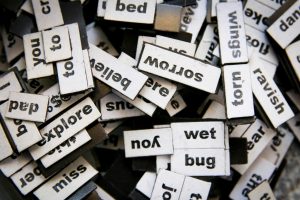
Children must read, solve, and answer aloud. This makes them bold and loud speakers. Parents should also put a puzzle chart at home in the child’s room. Read puzzles, learn spelling, and clean up your language.
Weekly plan
A puzzle should be scheduled every week with new smart words. Post a new puzzle every day, Monday through Friday. There should be a theme for each day, and the word should be on the chart board. Students should use this word in everyday speaking and writing. This habit helps with both spelling and speaking in class. Puzzles strengthen language and develop intelligent answering skills.
Weekly Puzzle Plan:
- Every day new topics engage the students.
- Both speaking and reading skills improve with regular use.
- Students can track their progress using smart charts.
- Easy planning and fun delivery for teachers.
- Students feel encouraged after learning the answer to each puzzle.
Plan to have a teacher sheet where you write the puzzles and dates. Prepare children to solve them every day. The daily work of puzzles becomes serious fun in class. This is the best and free tool to make your language smart.
Home practice
Parents should also plan puzzles for the children’s room. There should be a small board on the wall where the daily puzzles are pasted. Read the puzzles at home, guess, and clap. Organize a puzzle quiz on the weekend that the whole family can play. Parents can read puzzles, and kids can guess and get stars as rewards.
Homemade puzzles strengthen bonds and double skills. The home environment should be fun, and there should be language play. Don’t forget to post the answer to each puzzle the next day. This habit brings happiness both at home and at school. Among language games, puzzles are the strongest and easiest.
Sharpen Your Mind with Smart Word Games
English riddles are fun and sharp. They test your brain and word power. When you solve one, you learn new words. You also learn how words link with clues. Each riddle helps you think in a smart way. It builds strong memory and fast recall. English riddles train your mind step by step. A small puzzle can teach big skills.
Grow Your Grammar with Clever Clues
Riddles use short and smart lines. These lines help you spot new rules. You learn how words form a line. You learn tense, tone, and time use. When you guess the right word, you also fix grammar. These games are great for school kids and grown-ups too
Puzzle competitions
Planning puzzle competitions in schools and colleges is a great idea. Competitions develop children’s problem-solving skills and ability to make quick guesses. Holding a weekly or monthly puzzle contest keeps everyone engaged. Each student writes a clever puzzle, and the others solve it. Winners get stars or gifts that add to their happiness.
Teachers organize puzzle rounds with clear rules and appropriate timing. Each round should have a turn, and simple mantras should be used. It makes it fun to write the names of the winners on the board at the end of the contest. There should also be a group task where teams guess and score. This project combines teamwork and logic in class.

Conclusion
English Riddles are not just guessing; they are full of learning and fun. Magic, clues, and logic are hidden in each word puzzle. Children develop their reading, writing, and speaking skills quickly with English Riddles. Post puzzles in class and share them in the group daily. It is a plan to keep both the tongue and mind sharp. Parents and teachers should clear the way for children with puzzles.
Puzzle games test quick thinking and soft answers. A puzzle chart should be prepared for each student. Improve language skills with daily challenging English Riddles. This idea will be perfect in every classroom and home life. English Riddles are not just guessing; they are full of learning and fun. Magic, clues, and logic are hidden in each word English Riddles. Children develop their reading, writing, and speaking skills quickly with puzzles.
About the Author

At RiddlesAcademy.com, we turn brainpower into fun! Our team loves crafting clever riddles, brainteasers, and mind-bending puzzles for curious minds of all ages. Whether you're here to challenge yourself or just have a laugh, we’ve got a riddle for every mood.
Originally published on July 8, 2025